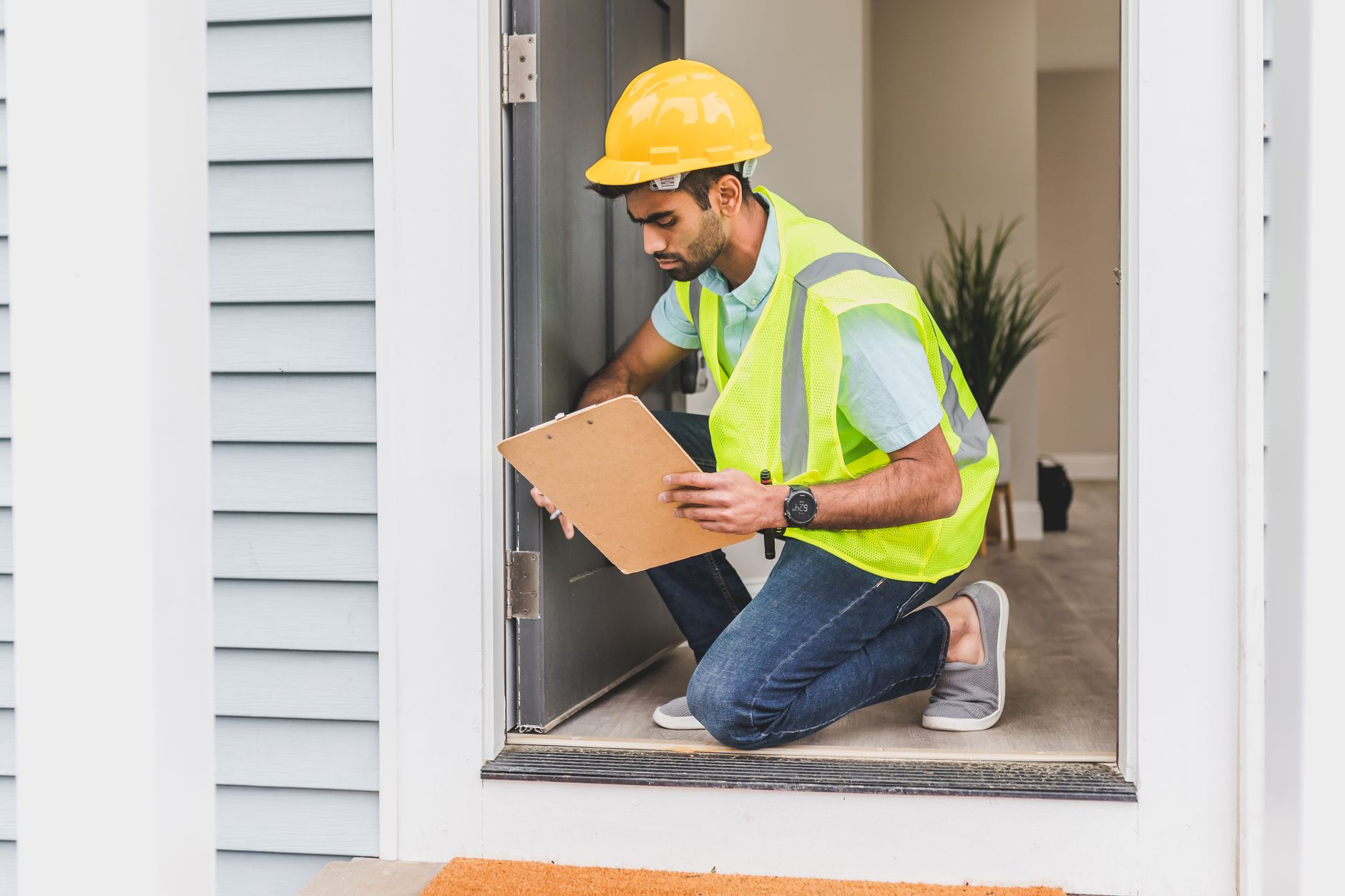
A loose cabinet handle can wait. A sparking outlet or active leak cannot. When several repairs compete for your attention, rank them by what could hurt someone, what could get worse, and what is disrupting daily routines. This simple order helps you choose a sensible next step without treating every flaw as an emergency. For Nashville homeowners, seasonal rain and temperature swings can also expose small exterior or plumbing problems, so keep an eye on changes after storms and cold snaps.
Address Immediate Safety Hazards
Start with conditions that could cause injury, fire, or unsafe access. Examples include a burning smell from an outlet, exposed wiring, a broken stair tread, a loose handrail, a gas odor, or a door that will not secure. Keep people away from the hazard. For electrical, gas, or structural concerns, contact the appropriate qualified professional rather than attempting a repair beyond your skills.
Some warning signs call for urgent help, not a spot on a routine to-do list. If you see smoke or flames, leave the home and contact emergency services. If you smell gas, avoid switches and flames, move outside, and call the gas utility or emergency services from a safe location. For less immediate hazards, block access and arrange a prompt assessment.
Stop Water and Weather Damage
Next, address problems that allow water or weather into the home. An active roof leak, overflowing drain, burst pipe, or water near electrical equipment can quickly damage finishes and belongings. If it is safe, shut off the relevant water supply, move valuables, and use a container to catch a small leak. Do not enter standing water if electrical hazards may be present.
After the immediate source is controlled, document the damage and arrange a proper repair. Check nearby ceilings, walls, cabinets, and flooring for spreading stains, softness, or a musty odor. A temporary patch may limit damage, but it should not replace fixing the source. Outside, clear debris from safe-to-reach drainage areas and note damaged shingles, siding, or caulking for follow-up.
Consider Daily Disruption
Once urgent hazards and active damage are under control, consider how each issue affects essential routines. A broken exterior lock, unusable toilet, failed refrigerator outlet, or window that will not close may deserve attention before cosmetic work. Think about who relies on the affected area, whether there is a safe workaround, and how long that workaround is practical.
Group smaller jobs by location or materials when it makes sense, but do not delay a repair that is getting worse. A sticking interior door may be inconvenient; a door that blocks an exit is a safety concern. Write down what is affected, when it started, and whether it changes with rain, temperature, or use. Those details help a repair professional assess the problem.
Plan Routine and Cosmetic Repairs
Cosmetic issues and low-risk wear generally come after safety, damage prevention, and essential function. Peeling paint in a dry room, a scratched countertop, or a cabinet that closes imperfectly can often wait. Still, inspect the area before postponing it: peeling paint near a leak or soft flooring beside a tub may point to a deeper issue.
Make a short list with three categories: urgent, soon, and later. Add the location, visible symptoms, and any steps already taken. Revisit the list after heavy rain, a cold spell, or a change in the problem. Cedar & Stone can help Nashville homeowners assess and plan appropriate handyman repairs; contact a qualified specialist for work that requires licensed expertise.
Put immediate safety first, then stop active damage, restore essential daily functions, and schedule cosmetic work when practical. If you are unsure whether a problem is urgent, keep people clear of the area and seek a qualified assessment. Make a brief repair list and contact Cedar & Stone to discuss the next suitable step.